
If you’re filing taxes in 2026, there are several important changes and reminders you need to understand.
Between IRS staffing shortages, longer processing times, increased use of automation, and tighter income matching, how you file matters more than ever.
Below are the most common tax questions taxpayers are asking for 2026, with clear answers based on current IRS rules and filing practices.
When Does the 2026 Tax Filing Season Start?
The IRS has officially announced the opening date for the 2026 tax filing season.
Deadline to File & Pay Taxes: April 15, 2026
On January 26, 2026, the IRS will begin accepting and processing federal income tax returns for the 2025 tax year.
This date marks the first day returns can be electronically transmitted and officially logged with the IRS.
While you can prepare your return ahead of time, your tax software or preparer will hold the filing and submit it once the IRS systems open. Most taxpayers use electronic filing paired with direct deposit for the fastest refund processing.
The traditional deadline to file and pay any taxes owed remains April 15, 2026.
Filing close to the deadline increases the risk of processing delays and potential interest or penalties if payments are due.
When Will I Get My Tax Refund in 2026?
Most taxpayers who file electronically and choose direct deposit receive refunds within about 21 days.
However, refunds may take longer if your return:
- Includes refundable credits
- Contains income mismatches
- Triggers identity verification
- Is filed on paper
Why Are IRS Refunds Still Delayed?
Refund delays remain common due to:
- IRS staffing shortages
- Manual reviews caused by mismatched data
- Fraud and identity theft safeguards
- Incomplete or inconsistent reporting
Even small errors can push a return into manual review.
2026 Federal Tax Brackets & Standard Deduction (Official IRS Figures)
The IRS has released the official 2026 federal tax brackets and standard deduction amounts.
These figures apply to income earned in 2026 and reflect annual inflation adjustments. Tax rates themselves remain unchanged, but the income ranges have increased.
2026 Federal Income Tax Brackets
| Tax Rate | Single | Married Filing Jointly | Head of Household |
|---|---|---|---|
| 10% | Up to $12,400 | Up to $24,800 | Up to $18,650 |
| 12% | $12,401 – $50,700 | $24,801 – $101,400 | $18,651 – $76,300 |
| 22% | $50,701 – $108,200 | $101,401 – $216,400 | $76,301 – $108,200 |
| 24% | $108,201 – $195,950 | $216,401 – $391,900 | $108,201 – $195,950 |
| 32% | $195,951 – $250,525 | $391,901 – $501,050 | $195,951 – $250,500 |
| 35% | $250,526 – $640,600 | $501,051 – $768,700 | $250,501 – $640,600 |
| 37% | Over $640,600 | Over $768,700 | Over $640,600 |
2026 Standard Deduction Amounts
- Single: $16,100
- Married Filing Jointly: $32,200
- Head of Household: $24,150
- Married Filing Separately: $16,100
Additional standard deductions apply for taxpayers who are age 65 or older or blind. These amounts are added on top of the standard deduction and vary by filing status.
Knowing these updated thresholds early helps taxpayers estimate liability more accurately and adjust withholding or estimated payments before filing.
Did the Standard Deduction Increase for 2026?
Yes. The standard deduction typically increases each year due to inflation adjustments.
Most taxpayers benefit automatically unless they itemize deductions.
Will I Receive a 1099-K in 2026?
Most casual sellers will not receive a 1099-K.
Current 1099-K Reporting Threshold:
- $20,000 in gross payments
- AND more than 200 transactions
This applies to platforms such as PayPal, Venmo business accounts, eBay, Etsy, and similar marketplaces.
Do I Have to Report Income If I Didn’t Get a 1099?
Yes. All taxable income must be reported, even if you did not receive a tax form.
The IRS uses bank records, platform data, and automated matching tools to identify unreported income.
Is the IRS Auditing More People in 2026?
Audit rates remain low for most wage earners, but the IRS continues to focus on:
- Unreported income
- Large reporting discrepancies
- Self-employed taxpayers
- Higher-income returns
Accuracy matters more than volume.
How Long Does the IRS Have to Audit or Collect?
Many taxpayers worry about how long the IRS can come back to review a return or collect a tax balance.
These time limits matter because they define how long the IRS has legal authority to take action, and when that window finally closes.
In most cases:
- The IRS has 3 years to audit a return
- The IRS has 10 years to collect a tax debt
Certain actions, such as appeals or settlement requests, can pause or extend these timelines.
What Happens If I File Late?
Filing late can result in penalties even if you owe little or nothing.
Common penalties include failure-to-file penalties, failure-to-pay penalties, and daily interest charges.
Penalty relief may be available if you qualify and act promptly.
Is the IRS Using AI in 2026?
Yes. The IRS uses automated systems to flag income mismatches, identify risk patterns, identify audit opportunities, and prioritize cases.
AI does not make final decisions, but it increases scrutiny when information does not line up properly.
What 2026 Taxpayers Should Keep in Mind
Filing early, reporting income correctly, and responding quickly to IRS notices can prevent delays and penalties.
If you’re dealing with back taxes, penalties, audits, or IRS letters, early guidance can prevent small issues from becoming expensive problems.
Helpful Resources for 2026 Taxpayers
If you want to verify details, track changes, or get official guidance, these trusted resources are a good place to start:
- IRS Newsroom – Official IRS updates, tax law changes, and filing season announcements.
- IRS Tax Withholding Estimator – Useful for adjusting withholding in 2026 to avoid underpayment penalties.
- IRS Payment Options – Explains payment plans, extensions, and what to do if you can’t pay in full.
- IRS Credits & Deductions Guide – Updated list of common credits and deductions available to individuals.
- IRS Free File Program – For taxpayers who qualify to file federal returns at no cost.
Frequently Asked Questions for 2026 Taxpayers
Do I need to file taxes in 2026 if I didn’t earn much income?
Filing depends on your income level, filing status, and age. Even if you are below the filing threshold, you may still want to file to claim refunds, credits, or stimulus-related benefits. Many taxpayers miss refunds by not filing.
Are tax brackets changing for 2026?
Yes. Tax brackets are adjusted annually for inflation. While rates may stay the same, income ranges typically increase, which can slightly reduce your effective tax burden if your income stayed flat.
Will I owe penalties if I didn’t adjust my withholding in 2025?
Possibly. If too little tax was withheld or paid through estimated payments, the IRS may assess an underpayment penalty. Using the IRS withholding estimator early in 2026 can help prevent this.
Do payment apps like PayPal, Venmo, or Cash App affect my 2026 taxes?
Yes. Income received for goods or services through payment apps is taxable, even if you don’t receive a tax form. Personal reimbursements are not taxable when properly labeled.
What happens if I file my 2026 tax return late?
Filing late can trigger penalties and interest. If you owe taxes, the penalty is higher. Filing an extension gives you more time to file, but not more time to pay.
Can I still file an extension in 2026?
Yes. An extension moves the filing deadline to October, but any taxes owed must still be paid by the original deadline to avoid penalties and interest.
Will IRS processing times be slower in 2026?
Processing times may still be affected by staffing changes and increased automation. Electronic filing and direct deposit remain the fastest way to receive refunds.
Do I need to report side hustle or gig income in 2026?
Yes. Income from freelancing, reselling, content creation, or gig work is taxable, even if it’s part-time or irregular. Expenses may be deductible if properly documented.
What if I made a mistake on my tax return?
Errors can usually be corrected by filing an amended return. Fixing mistakes early helps reduce penalties and prevents IRS notices later.
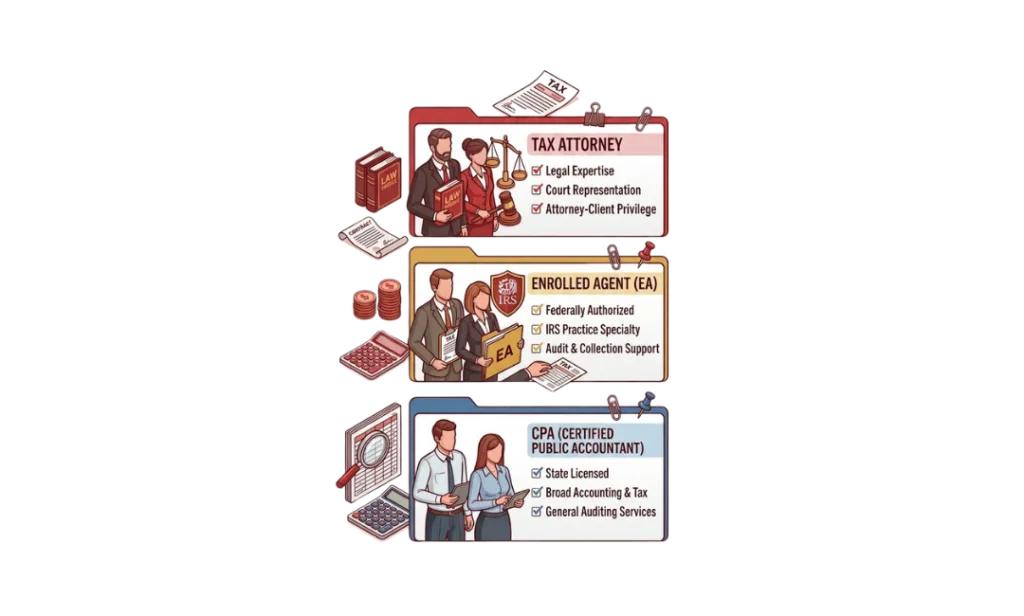
Should I talk to a tax professional before filing in 2026?
If your situation changed, you run a business, received IRS notices, or want to reduce risk, professional guidance can help you avoid costly mistakes and missed opportunities.

Amro Badran, EA, is the Managing Partner of Badran Tax,
With over 40 years of experience and accreditation as a Federal Enrolled Agent,
Amro Badran and his team of tax professionals specialize in helping individuals and businesses resolve complex IRS & state tax issues and controversies.
Experienced and Trusted Tax Resolution Firm based in New Brunswick, NJ.
Disclaimer
This blog post is provided for educational and informational purposes only.
It does not constitute tax, legal, accounting, or financial advice and should not be relied upon as a substitute for professional counseling tailored to your specific situation.
Always consult a qualified tax advisor or legal professional before making decisions based on this content.
Use of this site or information herein does not create a professional relationship between you and BadranTax LLC or its principals. Any reliance on the material is solely at your own risk.
While we strive to provide accurate, up-to-date information, BadranTax makes no warranties, express or implied, regarding accuracy, completeness, or suitability of the content.
Links to external websites are provided for convenience only. BadranTax does not endorse and is not responsible for the content or practices of third-party sites.
BadranTax and its affiliates expressly disclaim all liability for any actions taken or not taken based on this information.