A tax lien on your home or property can create serious financial headaches.
It can block refinancing, delay sales, and damage your credit profile.
But the good news is, there are ways to remove it.
What Is a Property Tax Lien?
A property lien is a legal claim placed on real estate due to an unpaid debt.
It gives the creditor (like the IRS or a state tax authority) the right to seize or force the sale of the property if the debt isn’t satisfied.
Common types of tax-related property liens include:
- Federal Tax Liens – Filed by the IRS when you owe significant back taxes.
- State Tax Liens – Placed by state departments of revenue for unpaid state income or property taxes.
- Municipal Liens – May include unpaid utility bills, property taxes, or code enforcement fines.
Why Removing a Lien Matters
Liens cloud your title and can:
- Prevent you from selling or refinancing your home.
- Reduce your property’s market value.
- Trigger credit report damage if unresolved.
Clearing a lien opens the door to full ownership and financial flexibility.
How to Remove/Release Your Your Tax Lien
The most common way to remove a lien is through full payment of the underlying debt.
Once satisfied, the IRS or local authority will typically release the lien within 30 days.
But that’s not the only path.
Here are additional options that may apply, depending on your situation:
1. Request a Lien Release
If the tax debt is paid or resolved, the IRS (or relevant agency) will issue a Certificate of Release of Federal Tax Lien.
Make sure this is filed with your local county clerk or recorder’s office to officially clear your title.
2. Apply for Lien Withdrawal
Even if a tax lien has been filed, the IRS may withdraw it under certain conditions—especially if you’re on a direct debit installment plan and have been compliant for a period of time.
This removes the lien from public records and can help repair credit faster than just waiting for the lien to expire or be released.
3. Request a Lien Subordination
If you need to refinance your home but can’t pay the lien in full yet, the IRS may subordinate the lien—allowing another lender to take priority over it.
This can make refinancing or securing a second mortgage possible.
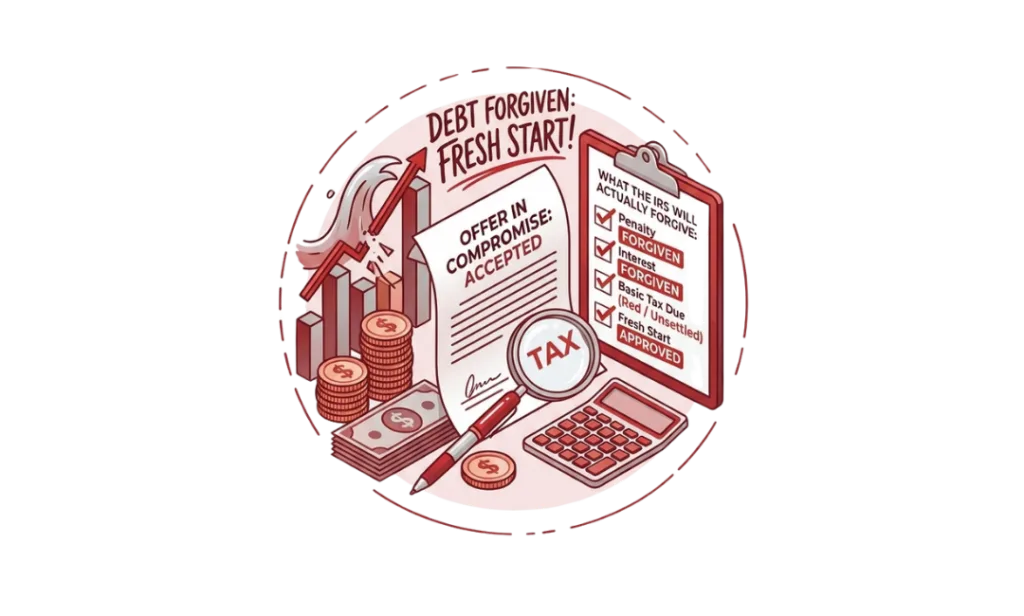
4. Settle the Debt via Offer in Compromise
If you can’t pay the full tax debt, you may be eligible for an Offer in Compromise (OIC), which allows you to settle for less.
Once accepted and paid, the lien can be released.
5. Wait Out the Statute of Limitations
The IRS has a 10-year window to collect on a tax debt. In rare cases, liens may expire if the debt goes uncollected and the statute of limitations runs out. However, this is complex and not guaranteed.
State and Local Differences on Tax Liens
Each state has its own lien rules and timelines.
In places like New Jersey or New York, liens may remain on record longer and require additional documentation to remove.
Be sure to check with your local tax authority or property records office for state-specific procedures.
Removing a Property Tax Lien in New Jersey
To remove a property tax lien in New Jersey:
- Obtain a Redemption Statement: Contact your local tax collector to request an official redemption statement detailing the exact amount owed, including original taxes, interest, penalties, subsequent taxes, and costs.
- Payment to Tax Collector: Pay the entire redemption amount directly to the tax collector. Payments cannot be made directly to the lienholder.
- Certificate of Redemption: Upon payment, the tax collector will issue a Certificate of Redemption. Record this certificate promptly to officially clear the lien from your property’s title.
Redemption Eligibility and Deadlines: Owners, heirs, mortgagees, prior lienholders, or occupants may redeem the lien. Redemption is typically allowed until a foreclosure judgment is entered, which generally cannot occur until at least two years after the lien sale.
Important: Foreclosure may begin sooner for abandoned properties.
Removing a Property Tax Lien in New York
The process for removing a tax lien in New York varies by location:
New York City:
- Determine the Amount Owed: Contact the NYC Department of Finance (DOF) for an exact payoff amount, including surcharge (typically 5%), interest (5–18%), and administrative fees.
- Payment to Lienholder: Pay the full amount directly to the lienholder identified by the DOF.
- Certificate of Discharge: After full payment, obtain a Certificate of Discharge/Satisfaction from the lienholder and file it with the NYC Department of Finance or City Register to officially clear the lien.
Outside NYC (Upstate & Other Areas):
- Contact County Treasurer: Each county manages its own lien sales. Contact your local county treasurer or tax department for redemption information and procedures.
- State Tax Warrants: For liens issued by the New York State Department of Taxation and Finance (state warrants), full payment clears the lien. Request a Release or Subordination if needed. After payment, file the Satisfaction of Judgment issued by the state.
What Happens If You Try to Sell Your Property with a Lien?
You can technically sell a home with a lien, but the lien must be resolved at closing.
In most cases, the proceeds from the sale will go toward paying the debt, or a settlement will need to be negotiated before the title can transfer.
Frequently Asked Questions (FAQ)
How do I find out if there’s a lien on my property?
You can search your local county recorder’s office or clerk of courts website for property records.
For federal tax liens, the IRS typically mails a Notice of Federal Tax Lien, but you can also request a transcript of your IRS account to confirm.
Can a lien stop me from selling my home?
Yes. A lien creates a legal claim on your property and must be paid off or resolved before the title can transfer.
In most cases, the lien is paid using the sale proceeds at closing.
How long does it take for the IRS to release a lien after payment?
The IRS typically releases the lien within 30 days of full payment.
You’ll receive a Certificate of Release of Federal Tax Lien, which should be recorded with your county to clear your title.
What’s the difference between a lien release and a lien withdrawal?
A release removes the IRS’s legal claim against your property once the debt is paid.
A withdrawal removes the lien notice from public records altogether, which may improve your credit. You may qualify for withdrawal if you’re in compliance and on a direct debit plan.
Can I refinance with a tax lien on my property?
Not usually, but in some cases the IRS may approve a lien subordination, which allows another lender to take priority over the tax lien so you can refinance or get a new mortgage.
Do tax liens affect my credit score?
Federal tax liens are no longer included on consumer credit reports from the major bureaus, but lenders and title companies can still find them in public records.
They can still impact your ability to borrow or refinance.
What if I can’t afford to pay the lien?
If full payment isn’t possible, you may qualify for a payment plan or an Offer in Compromise that settles your tax debt for less than the full amount.
Removing the lien typically follows once the terms are met.
Does the IRS ever remove liens without full payment?
Yes. In certain situations, such as financial hardship or public policy considerations, the IRS may withdraw or release a lien through an administrative process.
This typically requires strong supporting documentation and a formal request.
How long do federal tax liens last?
The IRS has 10 years to collect a tax debt before the statute of limitations expires.
However, liens may remain active during this period or longer if extensions were triggered by bankruptcy, offers in compromise, or other legal actions.
Helpful Resources

Amro Badran, EA, is the Managing Partner of Badran Tax,
With over 40 years of experience and accreditation as a Federal Enrolled Agent,
Amro Badran and his team of tax professionals specialize in helping individuals and businesses resolve complex IRS & state tax issues and controversies.
Experienced and Trusted Tax Resolution Firm based in New Brunswick, NJ.
Disclaimer
This blog post is provided for educational and informational purposes only.
It does not constitute tax, legal, accounting, or financial advice and should not be relied upon as a substitute for professional counseling tailored to your specific situation.
Always consult a qualified tax advisor or legal professional before making decisions based on this content.
Use of this site or information herein does not create a professional relationship between you and BadranTax LLC or its principals. Any reliance on the material is solely at your own risk.
While we strive to provide accurate, up-to-date information, BadranTax makes no warranties, express or implied, regarding accuracy, completeness, or suitability of the content.
Links to external websites are provided for convenience only. BadranTax does not endorse and is not responsible for the content or practices of third-party sites.
BadranTax and its affiliates expressly disclaim all liability for any actions taken or not taken based on this information.