
Receiving an IRS CP504 Notice can feel intimidating.
It’s a formal warning that your state tax refund and potentially other assets are in jeopardy.
If you’ve received an IRS CP504 notice, you’re already deep into the collection process—and ignoring it could trigger wage garnishment or property seizure.
The good news is, there are ways to respond and protect yourself—if you act quickly.
What Is an IRS CP504 Notice?
The CP504 Notice is the IRS’s “Notice of Intent to Levy” on your state tax refund.
It means your tax debt has gone unpaid despite earlier letters, and the IRS is preparing to take collection action.
Common legal actions after a CP504 include:
- Seizing your state tax refund to offset your balance.
- Starting the levy process on wages, bank accounts, or property.
- Filing a federal tax lien that impacts your credit and property rights.
Why Notice CP504 Is Serious
Ignoring this notice can lead to:
- Loss of your state tax refund.
- IRS levies on wages, bank accounts, or property.
- Tax liens filed in public records.
- Fewer negotiation options as enforcement escalates.
Taking action now can stop or slow these processes before they become more damaging.
How to Respond to a CP504 Notice
While paying the full amount is the fastest solution, it’s not your only option. Depending on your situation, you may be able to:
1. Pay the Balance in Full
This stops all levy actions and prompts the IRS to close the case.
2. Set Up an Installment Agreement
Arrange monthly payments with the IRS to avoid further levies.
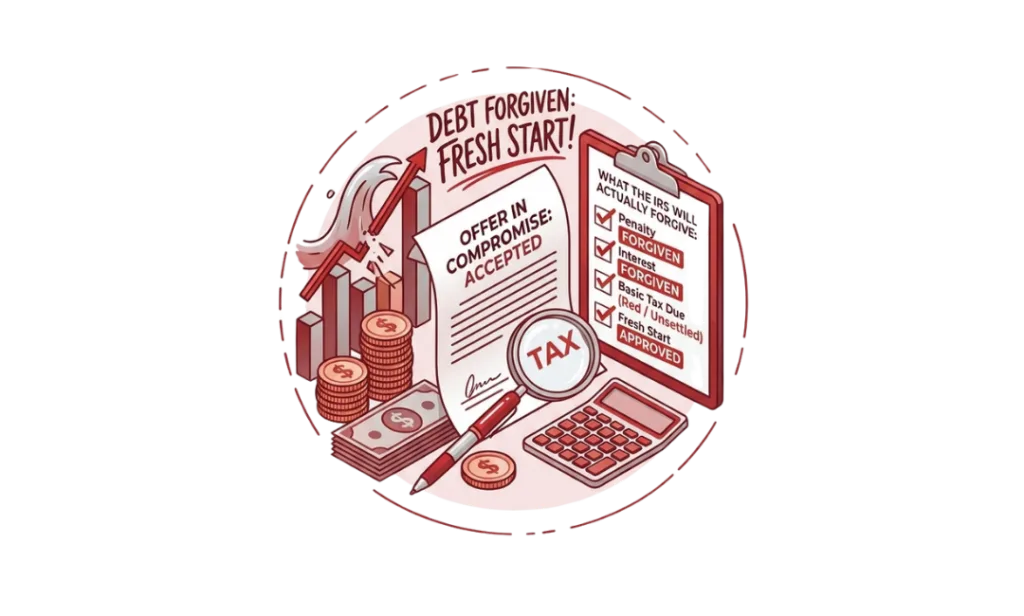
3. Submit an Offer in Compromise (OIC)
If you qualify, settle your tax debt for less than the total amount owed.
4. Request a Collection Due Process (CDP) Hearing
Formally dispute the notice or propose alternative payment arrangements.
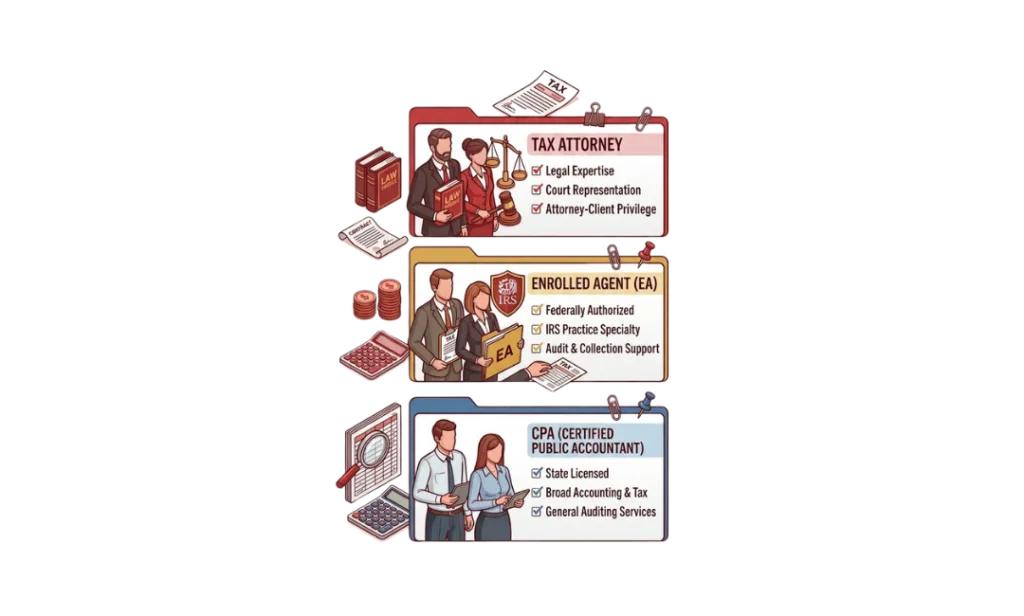
5. Seek Professional Help
A tax resolution specialist can communicate with the IRS on your behalf and explore relief options.
What Happens If You Ignore the CP504 Notice?
If no action is taken within about 30 days:
- The IRS will seize your state tax refund.
- Additional levy actions may follow, including wage garnishment.
- A federal tax lien could be filed, affecting your property rights.
Once enforcement starts, it becomes more difficult to reverse.
Frequently Asked Questions (FAQ)
How long do I have to respond?
You generally have 30 days from the date on the CP504 Notice to act before your state refund is seized. Other enforcement may follow.
Is the CP504 the final levy notice?
No. The CP504 targets your state refund. The Final Notice of Intent to Levy (Letter 1058 or LT11) gives the IRS broader power over wages, bank accounts, and property.
Can I stop the levy after it starts?
Yes, but it’s harder. You may need to pay in full, secure an installment agreement, or request a CDP hearing if the deadlines haven’t passed.
Will the CP504 affect my credit score?
The notice itself doesn’t impact credit, but if it results in a federal tax lien, that lien becomes public record and can affect lending decisions.
Can I appeal the CP504?
Yes. You can request a CDP hearing or an equivalent hearing, but deadlines apply, so act quickly.
What if I can’t afford to pay?
You may qualify for an Offer in Compromise, installment agreement, or Currently Not Collectible status. A tax professional can assess eligibility.
Helpful Resources
- IRS: Understanding Your CP504 Notice
- Taxpayer Advocate Service
- BadranTax: Free Consultation for CP504 Notices
Need Tax Help?
The CP504 Notice is a serious warning.
The longer you wait, the fewer options you’ll have.
Schedule a Free Consultation today, we specialize in tax problem resolution.
Let us protect your wages, bank accounts, and property before enforcement begins.

Amro Badran, EA, is the Managing Partner of Badran Tax,
With over 40 years of experience and accreditation as a Federal Enrolled Agent,
Amro Badran and his team of tax professionals specialize in helping individuals and businesses resolve complex IRS & state tax issues and controversies.
Experienced and Trusted Tax Resolution Firm based in New Brunswick, NJ.
Disclaimer
This blog post is provided for educational and informational purposes only.
It does not constitute tax, legal, accounting, or financial advice and should not be relied upon as a substitute for professional counseling tailored to your specific situation.
Always consult a qualified tax advisor or legal professional before making decisions based on this content.
Use of this site or information herein does not create a professional relationship between you and BadranTax LLC or its principals. Any reliance on the material is solely at your own risk.
While we strive to provide accurate, up-to-date information, BadranTax makes no warranties, express or implied, regarding accuracy, completeness, or suitability of the content.
Links to external websites are provided for convenience only. BadranTax does not endorse and is not responsible for the content or practices of third-party sites.
BadranTax and its affiliates expressly disclaim all liability for any actions taken or not taken based on this information.