
Tax season often brings a flurry of questions as individuals and businesses seek clarity on filing requirements, deductions, and credits. To help you navigate this period with confidence, we’ve compiled answers to some of the most commonly Googled tax questions in 2025.
1. When Are Taxes Due in 2025?
Tax Deadline: For the 2024 tax year, the deadline to file your federal income tax return is April 15, 2025. If you need more time, you can request an extension, which gives you until October 15, 2025 to file. However, keep in mind:
- An extension to file is NOT an extension to pay. Any taxes owed must be paid by April 15 to avoid interest and penalties.
- If you are expecting a refund, filing early ensures you get your money sooner.
Pro Tip: If you miss the deadline, file as soon as possible to minimize penalties, especially if you owe taxes.
2. How Can I File My Taxes?
There are multiple ways to file your taxes, depending on your needs:
- Electronic Filing (E-File): The IRS recommends e-filing because it’s faster, more secure, and reduces errors. You can use IRS Free File if your income is below the eligibility threshold.
- Paper Filing: Still an option, but it takes longer to process. Ensure your documents are complete and mailed to the correct IRS address.
- Professional Assistance: If your taxes are complex, hiring a tax professional ensures accuracy and maximizes deductions.
3. What Are the Standard Deduction Amounts for 2024?
For the 2024 tax year, the standard deduction has increased due to inflation:
- Single or Married Filing Separately: $14,600
- Head of Household: $21,900
- Married Filing Jointly: $29,200
The standard deduction reduces your taxable income. If your itemized deductions exceed these amounts, consider itemizing.
Pro Tip: If you have large medical expenses, mortgage interest, or charitable donations, itemizing may save you more money.
4. What Is the Child Tax Credit for 2024?
The Child Tax Credit (CTC) helps families with qualifying children:
- Credit Amount: Up to $2,000 per child under 17.
- Refundable Portion: The Additional Child Tax Credit allows up to $1,700 to be refunded.
- Income Limits: The credit begins to phase out for single filers earning over $200,000 and joint filers earning over $400,000.
Pro Tip: If you qualify for the Earned Income Tax Credit (EITC), you may be eligible for a larger refund.
5. How Do I Check the Status of My Tax Refund?
Use the IRS’s “Where’s My Refund?” tool to check your refund status:
- Visit Where’s My Refund? on the IRS website.
- Enter your Social Security number, filing status, and exact refund amount.
- E-filed returns with direct deposit typically process faster than paper returns.
Pro Tip: If you e-file and choose direct deposit, you may receive your refund within 21 days.
6. What Are Common Tax Deductions and Credits?
Here are some common deductions and credits that could lower your tax bill:
- Earned Income Tax Credit (EITC): Helps low to moderate-income workers reduce their tax liability.
- Child and Dependent Care Credit: Provides tax relief for childcare expenses.
- Education Credits: The American Opportunity Credit and Lifetime Learning Credit help offset education costs.
- Retirement Contributions: Contributions to IRAs or 401(k)s may be deductible.
Pro Tip: Work with a tax professional to ensure you claim every deduction you’re eligible for.
7. How Can I Avoid Common Tax Filing Mistakes?
- Double-Check Personal Information: Ensure your name, SSN, and banking details are correct.
- Report All Income: Include all W-2s, 1099s, and gig economy earnings.
- E-File & Choose Direct Deposit: This reduces errors and speeds up your refund.
8. What If I Can’t Pay My Tax Bill by the Deadline?
The IRS offers options if you can’t pay in full:
- Installment Agreements: Set up a payment plan.
- Offer in Compromise: Settle for less if you qualify.
- Temporary Delay: The IRS may delay collection if you’re facing financial hardship.
Pro Tip: File your return on time even if you can’t pay to avoid late filing penalties.
9. How Do I Choose the Right Tax Professional?
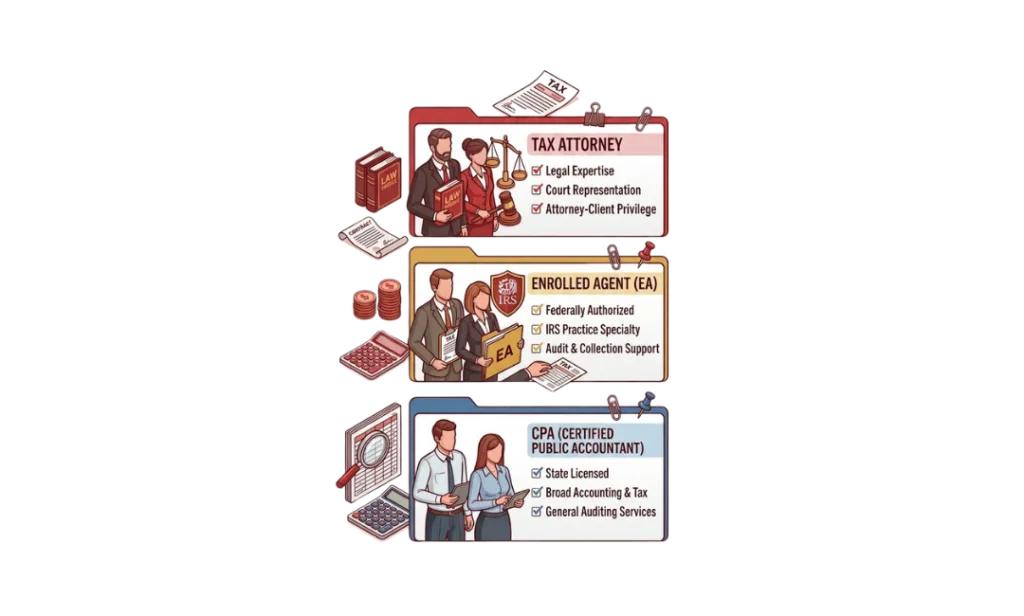
- Credentials: Look for CPAs, enrolled agents, or tax attorneys.
- Experience: Choose someone familiar with your tax situation.
- Reputation: Check reviews and ask for referrals.
10. Are There Any New Tax Laws or Changes for 2024?
Yes, here are some important updates:
- Increased IRS Scrutiny: Digital payments over $600 from Venmo, PayPal, or gig work must be reported.
- Higher Retirement Contribution Limits: IRAs and 401(k)s have increased contribution limits.
- Energy Tax Credits Expanded: More homeowners can claim credits for energy-efficient home upgrades.
Stay updated with IRS announcements to maximize your tax benefits.
Additional Resources:

Amro Badran, EA, is the Managing Partner of Badran Tax,
With over 40 years of experience and accreditation as a Federal Enrolled Agent,
Amro Badran and his team of tax professionals specialize in helping individuals and businesses resolve complex IRS & state tax issues and controversies.
Experienced and Trusted Tax Resolution Firm based in New Brunswick, NJ.
Disclaimer
This blog post is provided for educational and informational purposes only.
It does not constitute tax, legal, accounting, or financial advice and should not be relied upon as a substitute for professional counseling tailored to your specific situation.
Always consult a qualified tax advisor or legal professional before making decisions based on this content.
Use of this site or information herein does not create a professional relationship between you and BadranTax LLC or its principals. Any reliance on the material is solely at your own risk.
While we strive to provide accurate, up-to-date information, BadranTax makes no warranties, express or implied, regarding accuracy, completeness, or suitability of the content.
Links to external websites are provided for convenience only. BadranTax does not endorse and is not responsible for the content or practices of third-party sites.
BadranTax and its affiliates expressly disclaim all liability for any actions taken or not taken based on this information.